
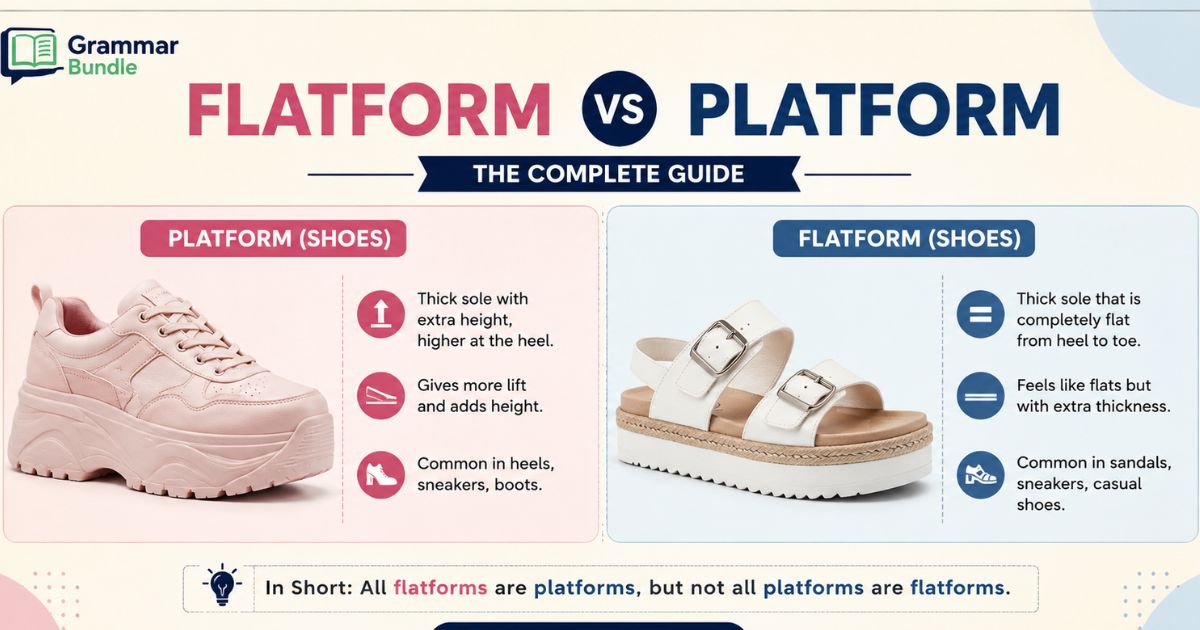
Flatform vs Platform: understanding the distinction between these two footwear styles can make or break your fashion statement. Many people unknowingly conflate the two, missing out on the unique benefits each offers. In this complete guide, we’ll explore their differences, helping you choose the perfect option for any occasion. By the end, you’ll have the insights needed to elevate your shoe game and make informed shopping decisions.
Platform meaning in shoes and everyday language
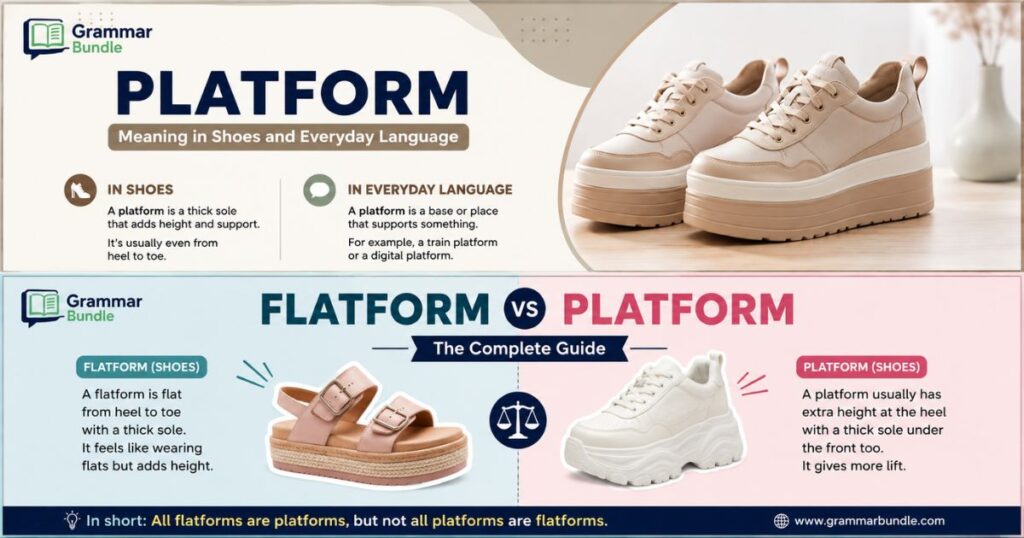
Understanding Platform in Shoes
When discussing shoes, “platform” refers to a thicker sole that elevates the foot. This added height can offer both style and comfort, making platform shoes a popular choice for many. Here’s what makes them stand out:
- Comfort Boost: With extra cushioning, platforms can feel more comfortable than traditional heels, allowing you to stand or walk longer.
- Height Without Pain: They give you the height of a heel but distribute weight more evenly, reducing pressure on your feet.
Understanding Platform in Footwear
In the world of footwear, the term “platform” refers to a thick sole that elevates the foot uniformly, giving an overall lift while distributing weight evenly. This design is not only about style; it enhances comfort and stability. Platforms can be found in various types of shoes, appealing to those who love both fashion and function.
Types of Shoes Featuring Platforms
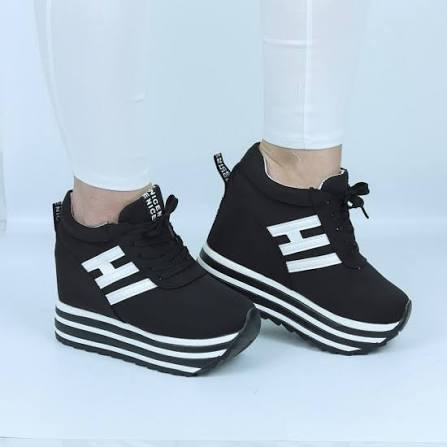
- Casual Sneakers: These often come with lightweight platforms, perfect for all-day wear without sacrificing style.
- Sandals: Summer platforms provide a chic look while keeping feet supported, ideal for beach outings or city strolls.
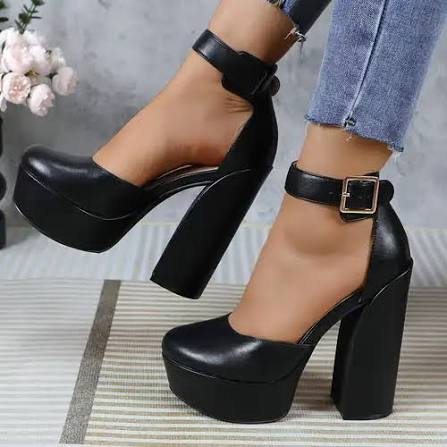
- Heels: High-heeled shoes with platforms offer extra stability, making them more comfortable for long periods of wear.
- Boots: Platform boots can add an edgy flair, combining ruggedness with a stylish lift.
This range of options reflects how platforms can enhance not just the aesthetic appeal but also the practicality of footwear, allowing for versatile styling choices.
Platform in Everyday Language
In everyday discussions, “platform” often represents a foundation for ideas or actions. It creates a base for sharing thoughts and engaging with others. Consider these aspects:
- Medium for Expression: Whether it’s a social media platform or a stage, it serves as a space to voice opinions.
- Support System: Just as a physical platform provides stability, a figurative one supports advocacy and growth in personal or professional contexts.
By exploring both meanings, we see how platforms shape our experiences in footwear and life.
For more helpful spelling tips, explore our guide on related grammar and spelling mistakes:Channel vs Chanel: Easy Fix for Common Errors
What flatform actually means in footwear
Flatforms are an exciting blend of style and comfort, merging the height of a platform shoe with the stability of a flat sole.
Unlike traditional heels that angle your foot, flatforms provide even support throughout the sole, making them an excellent choice for long wear.
- Height without Discomfort: Flatforms often add inches to your height while ensuring your feet stay flat, reducing strain.
- Versatile Style: They come in various designs, from casual sandals to more polished versions, suitable for different occasions.
- Enhanced Grip: The broader sole usually offers better traction, making them practical for daily wear.
Fashion enthusiasts appreciate flatforms for their uniqueness, allowing wearers to express individuality without sacrificing comfort.
From casual outings to dressy events, flatforms bridge the gap between fashionable and functional footwear, making them a staple in modern wardrobes.
Types of Shoes Featuring Flatforms
Flatforms can be found in various footwear styles, making them versatile for different occasions:
- Sandals: Ideal for summer, flatform sandals provide breathability and style.
- Sneakers: A casual option that pairs well with jeans or athleisure wear.
- Loafers: These offer a chic yet relaxed look suitable for work or social outings.
- Boots: Flatform boots bring a trendy edge to colder weather looks.
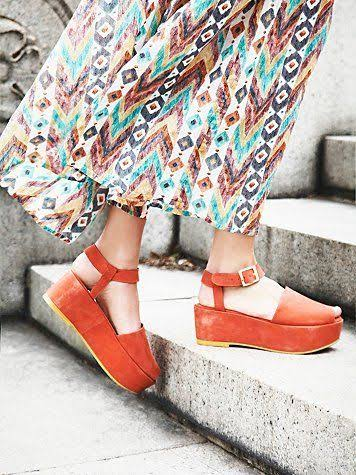
By blending comfort and flair, flatforms help you stand tall while keeping your feet happy.
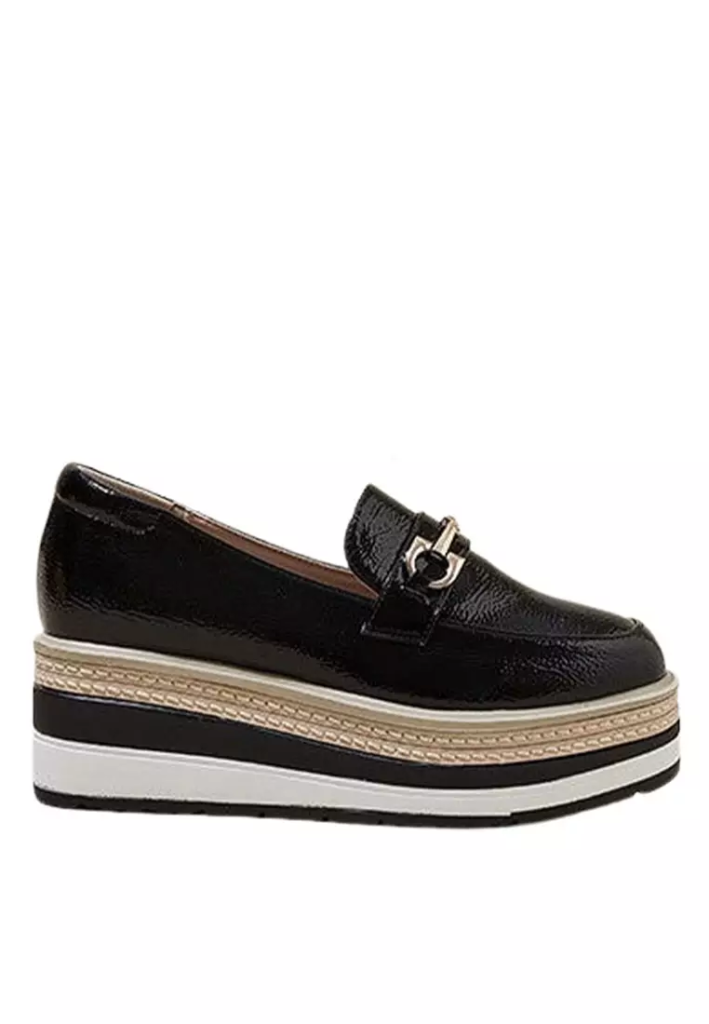
For more useful English tips, explore trusted grammar resources :https://grammarlantern.com/flatform-vs-platform/
Flatform vs Platform meaning explained clearly
Flatform is a flat, level surface that often serves as a foundation or base. Commonly seen in the context of shoes, flatforms provide extra height while maintaining stability.
This makes them a popular choice for those who want style without sacrificing comfort.
- Height without the heel: Flatforms distribute weight evenly across the foot.
- Fashion versatility: They can easily complement casual and formal outfits.
On the other hand, a platform specifically denotes a raised surface that elevates something above the standard level. Platforms can be found in various industries, from technology to fashion, often acting as a base for innovation.
- Tech platforms: Serve as environments for software development.
- Shoe platforms: Offer varying heel heights for added drama.
Both terms highlight the idea of elevation but serve distinct purposes across different fields, enhancing both functionality and style in daily life.
Platform shoes vs flatform shoes in real life
In the world of footwear, “flatform” and “platform” are often confused but represent distinct styles. While both involve raised soles, their designs cater to different aesthetics and functionalities.
Platform Shoes:
- Typically feature a thick sole that elevates the heel and forefoot.
- Designed to provide height without compromising comfort.
- Perfect for adding a little flair to casual or formal outfits.
Flatform Shoes:
- Have a flat sole that is uniformly thick across the entire shoe.
- Offer a more casual, laid-back vibe while still giving height.
- Ideal for those seeking comfort and style without the arch strain.
Embracing both styles allows for versatility in fashion, making each suitable for various occasions. Whether you’re dressing up for a night out or running errands, understanding the difference can enhance your wardrobe choices.
Platform meaning in shoes compared to flatform meaning
| Feature | Platform | Flatform |
|---|---|---|
| Sole Thickness | Thicker at the toe and heel | Uniform thickness |
| Heel Style | Elevated heel | No height difference |
| Comfort Level | Varies; often less comfortable | Generally more comfortable |
| Versatility | Ideal for formal occasions | Great for casual settings |
| Style Range | Often more stylish and flashy | Trendy with a modern edge |
Both types enrich modern wardrobes, each offering unique benefits. Platforms evoke drama and elegance, perfect for making a statement, while flatforms deliver an everyday ease paired with chic designs.
Thick sole shoes comparison in real use
When it comes to thick sole shoes, comfort is paramount, but the way they perform in real-world situations can vary significantly.
For instance, athletic models designed for running often incorporate responsive cushioning, enhancing energy return with each stride.
In contrast, everyday lifestyle shoes may prioritize stability and aesthetics over superior shock absorption.
- Athletic Thick Soles: Optimized for impact absorption and energy efficiency.
- Casual Thick Soles: Focus on style, often sacrificing some cushioning for visual appeal.
Versatility Across Environments
Thick sole shoes shine in diverse environments, whether navigating urban landscapes or enjoying outdoor adventures.
Hiking boots with substantial soles offer unparalleled grip and support, perfect for rough terrain.
Meanwhile, trendy platform sneakers serve not only as a fashion statement but also provide sufficient cushioning for all-day wear.
- Hiking Shoes: Excellent traction and stability on uneven surfaces.
- Fashion Sneakers: Balanced comfort for light activities and social outings.
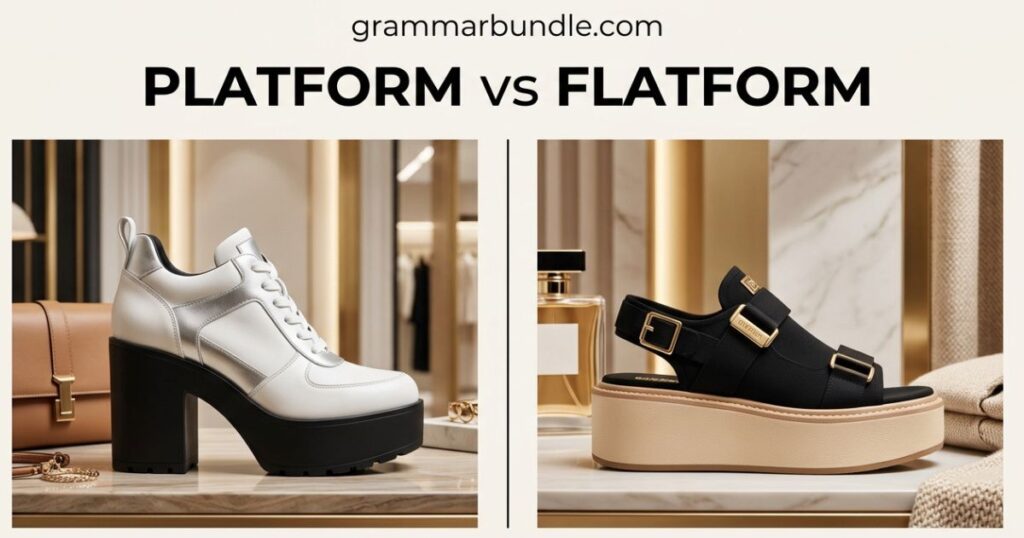
Are flatform shoes comfortable to wear
Exploring the Comfort of Flatform Shoes
Flatform shoes have gained popularity for their trendy look and for their potential comfort benefits.
Unlike traditional heels, which can cause significant strain on the feet, flatforms offer a uniform height throughout the sole, reducing the angle and pressure on the foot.
- Enhanced Support: The thick, cushioned sole provides excellent arch support, making them suitable for extended wear.
- Stability: The flat surface minimizes the risk of ankle twists, allowing for easier walking and standing.
- Versatile Styles: Available in various designs, flatforms can complement both casual and semi-formal outfits, giving wearers more styling options without compromising comfort.
Many wearers report that flatforms allow for all-day wear without the discomfort commonly associated with traditional heels.
Plus, the added height of flatforms gives an elevation that can enhance posture, making them a stylish alternative for fashion-forward individuals seeking comfort.
For more helpful spelling tips, explore our guide on related grammar and spelling mistakes:Seal vs Seel: Simple Guide to the Right Spelling
Are platform shoes always high heel shoes
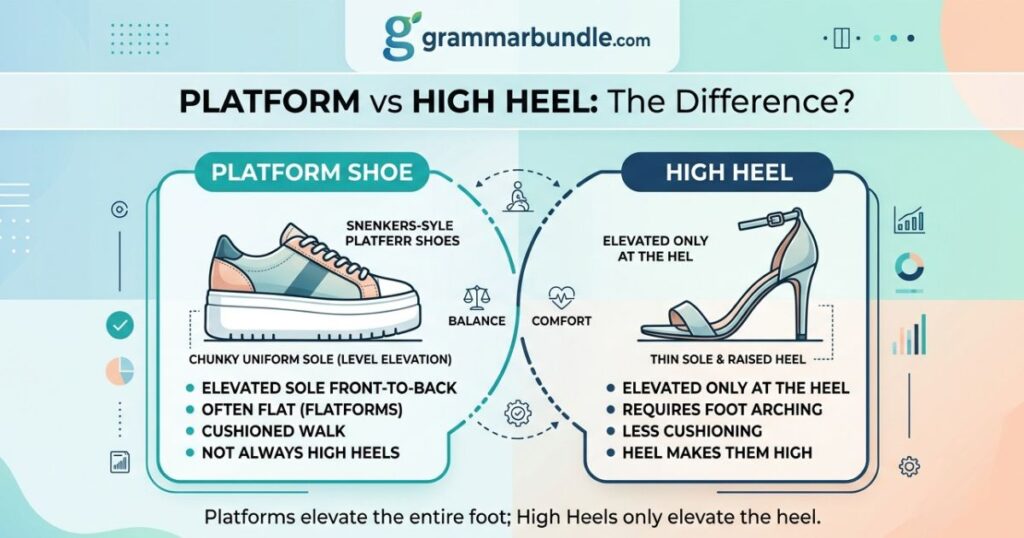
Platform shoes are often associated with a heightened aesthetic due to their elevated sole, but they aren’t exclusively high heels.
The defining characteristic of platforms is the thick sole at the front, which can come in various heights.
This design creates a balance, allowing wearers to achieve added height while experiencing more comfort compared to traditional high heels.
- Versatile Heights: Platforms can range from modest elevations to dramatic heights, offering options for different occasions and personal styles.
- Style Variations: From chunky sneakers to chic sandals, the platform style transcends the realm of high heels and embraces multiple genres, including casual and formal wear.
- Comfort Factor: The thickness of the sole distributes weight more evenly, alleviating pressure on the feet and allowing for prolonged wear without sacrificing comfort.
Do flatform shoes have heels
The Flatform Phenomenon
Flatform shoes blend style and comfort, but they often lead to debate about whether they truly count as heels.
Unlike traditional high heels, flatforms offer a uniform height across the sole, ensuring better stability.
Benefits of Flatforms
- All-Day Comfort: With a thicker platform, they distribute weight evenly, reducing foot fatigue.
- Versatile Style: Easily paired with various outfits, from casual shorts to chic dresses.
Elevating Your Wardrobe
Flatforms can elevate your fashion without sacrificing comfort, making them a go-to option for stylish practicality.
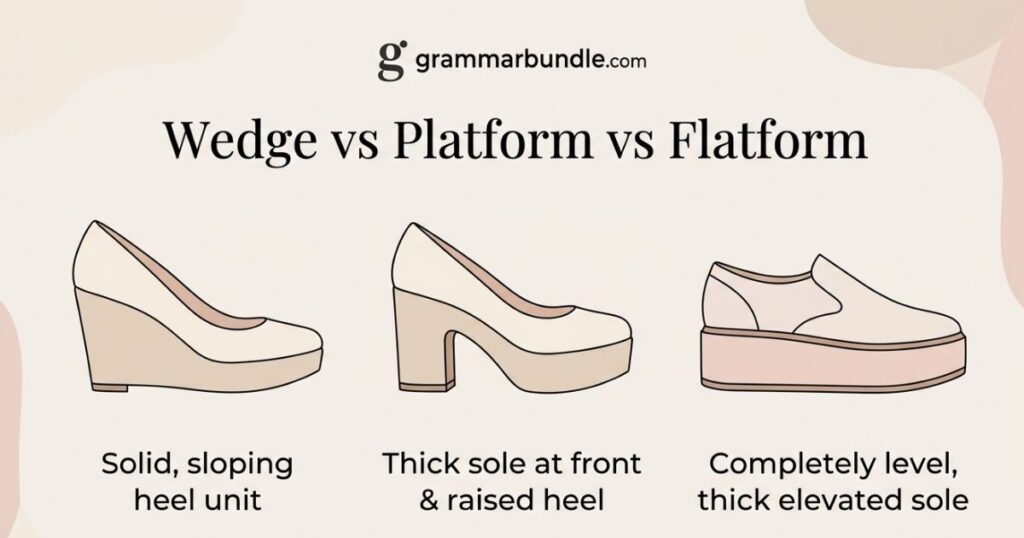
Wedge vs platform vs flatform explained simply
Wedges, platforms, and flatforms each offer unique advantages and styles, making them popular choices in footwear.
- Wedges, with their elevated heel and single sole, provide height while distributing weight for comfort.
- Platforms, on the other hand, have a thicker sole throughout, allowing for a more stable walking experience.
- Flatforms take this concept further, combining characteristics of both wedges and platforms to offer an ultra-flat sole with height, perfect for those who want to avoid traditional heels.
| Feature | Wedge | Platform | Flatform |
|---|---|---|---|
| Height Variation | Elevated heel | Thick sole throughout | Ultra-flat design |
| Comfort Level | Good weight distribution | Stable walking experience | Balance of comfort and height |
| Style Versatility | Classic and trendy | Casual to dressy | Casual and laid-back |
| Foot Support | Ankle support | Full foot support | Even weight distribution |
For more helpful spelling tips, explore our guide on related grammar and spelling mistakes:Busyness vs Business: Clear Differences Explained
Why flatform shoes became popular
The Rise of Flatform Shoes
Flatform shoes have recently surged in popularity, blending comfort with style effortlessly. These versatile shoes offer height without the discomfort of traditional heels, making them an attractive choice for many.
- Comfort Meets Style: The thick sole provides cushioning, allowing wearers to look fashionable without sacrificing ease.
- Versatile Aesthetic: Flatforms come in various designs, from casual sneakers to chic sandals, appealing to diverse fashion tastes.
Influencing Trends
Social media influencers and celebrities have embraced flatforms, showcasing them in their daily outfits. This visibility has ignited a trend, making them a staple in many wardrobes.
- Street Style Appeal: Their unique silhouette stands out, giving outfits an edgy upgrade that’s perfect for urban settings.
- Everyday Wear: Whether paired with dresses or jeans, flatforms can easily transition from day to night, making them practical for busy lifestyles.
Common confusion people still make
The confusion between flatform and platform shoes comes down to how foot weight is distributed and how the sole is shaped.
While all flatforms belong to the broader category of platform shoes, they function differently when walked in.
Common Misconceptions
- “They are the exact same thing.”
People often use the terms interchangeably. Remember: Flat + Platform = Flatform. A flatform gives height without forcing an arch or tilt on your foot. - “Flatforms offer the exact same comfort as low sneakers.”
While flatforms eliminate high-heel arch strain, their thick, rigid soles don’t bend naturally as you stride. Walking in high flatforms requires a slightly different gait to prevent ankle rolling. - “Platforms don’t hurt as much as regular heels.”
A platform shoe reduces the overall slope by lifting the ball of the foot, making a high heel less aggressive. However, it still puts pressure on your forefoot, unlike a flatform.
For more helpful spelling tips, explore our guide on related grammar and spelling mistakes:Smiling Face Emoji Meaning: A Simple Guide
Simple way to remember the difference
Understanding the Basics
A platform refers to a horizontal surface, often used in contexts like technology or staging.
Conversely, a flatform, which is less common, is characterized by a thick sole, generally found in footwear.
Quick Memory Tips
- Platform
– Think “flat” plus “form” = a stable surface.
– Used in tech, like social media or software frameworks. - Flatform
– Combine “flat” and “platform” = extra height from shoes.
– Perfect for stylish comfort without sacrificing elevation.
By grasping these simple associations, distinguishing between the two terms becomes a breeze. Next time you hear them, the visual connections will help reinforce your memory effortlessly.
For more helpful spelling tips, explore our guide on related grammar and spelling mistakes: Village vs Subdivision: Helpful Difference Guide
FAQs
1. What is the difference between “flatform” and “platform”?
- Answer: A “flatform” refers specifically to shoes with a thick, flat sole, while “platform” generally denotes a raised structure or surface.
2. Are flatforms a type of platform shoe?
- Answer: Yes, flatforms are a specific category of platform shoes characterized by their even height across the sole.
3. Can “platform” refer to something other than footwear?
- Answer: Absolutely! “Platform” can mean various structures or surfaces, including stages, online services, and software frameworks.
4. How did flatforms originate?
- Answer: Flatforms emerged in the fashion world, influenced by various cultural and aesthetic trends, notably in the 1990s and 2000s.
5. Are platform shoes comfortable to wear?
- Answer: Platform shoes can be comfortable due to their thicker soles, which provide more cushioning than traditional heels, making them ideal for long wear.
6. Is it common to confuse “flatform” with “platform”?
- Answer: Yes, many people mistakenly use the terms interchangeably, leading to confusion about their specific meanings.
7. Can I find flatforms in various styles?
- Answer: Yes, flatforms come in many styles, from casual sandals to stylish sneakers, catering to diverse fashion tastes.
8. Are there specific occasions suited for platform footwear?
- Answer: Platforms can be suitable for various occasions, including casual outings, parties, and events, depending on the style and design.
Conclusion
The confusion between “flatform” and “platform” persists among many, despite their distinct meanings. A “platform”is a structure or space that supports something, whereas “flatform” specifically denotes a raised sole found in various footwear designs.